We Plan the Heist So It Never Happens.
A Security starts with one standard domain account and tests how far an attacker could get. Agents prove paths to your most sensitive systems, deliver the fix, and retest until the path is closed.
From one foothold
to a closed path.
Discover
Deploy a lightweight access broker inside your network and provide one standard domain account. Agents map hosts, services, identities and trust relationships from a foothold like the one an attacker gains through compromised credentials.
Get a demo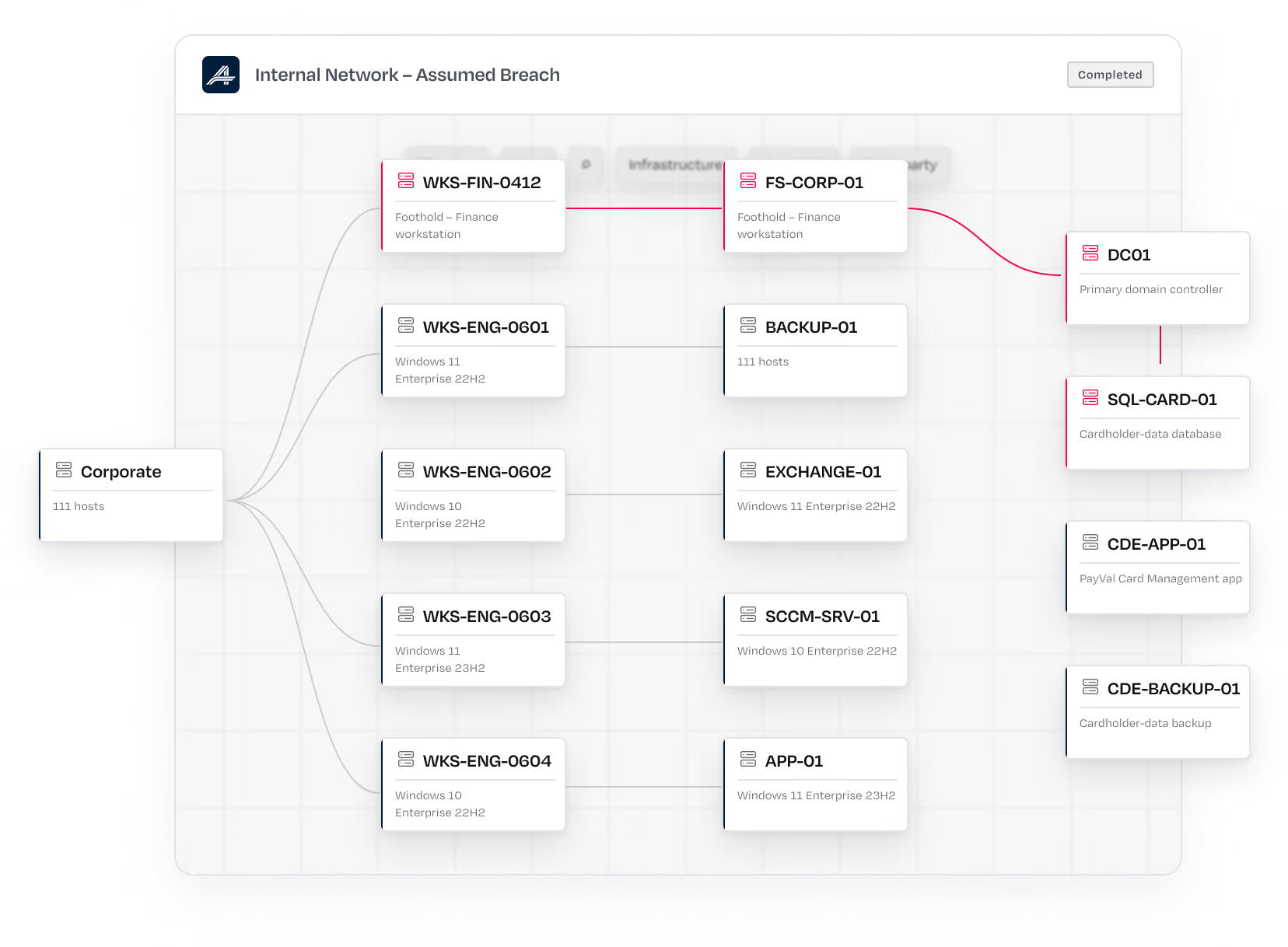
Plan
Name the systems that matter. Agents plot the routes to them. You review the plan and choose which high-impact steps need your sign-off.
Get a demo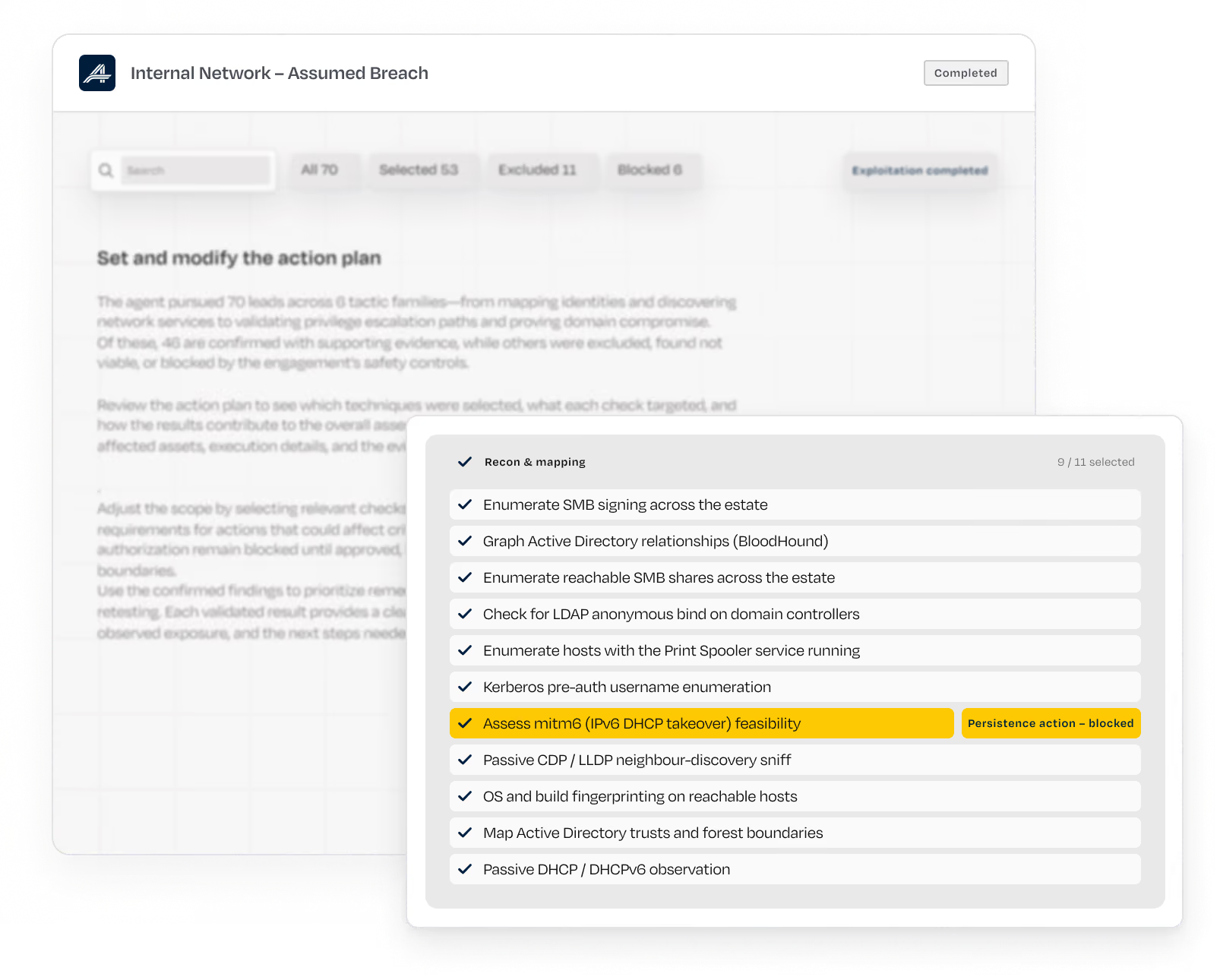
Exploit
Agents execute the plan and prove each step with evidence. Verified paths show what an attacker could reach, how they got there, and the blast radius.
Get a demo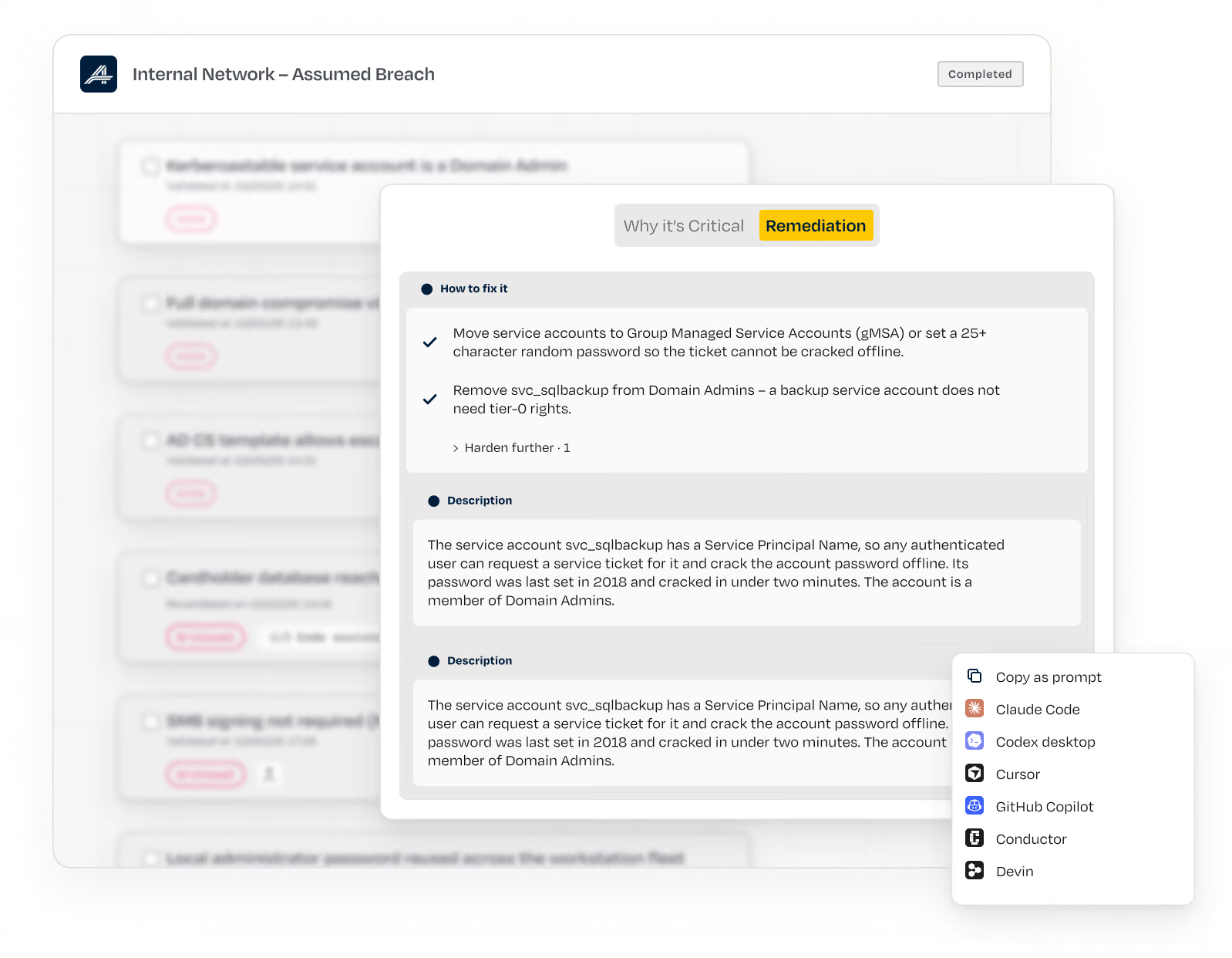
Remediate
Every finding comes with the fix, whether it’s at the identity, host or network layer, and can be sent automatically to your favorite ticketing tools.
Get a demo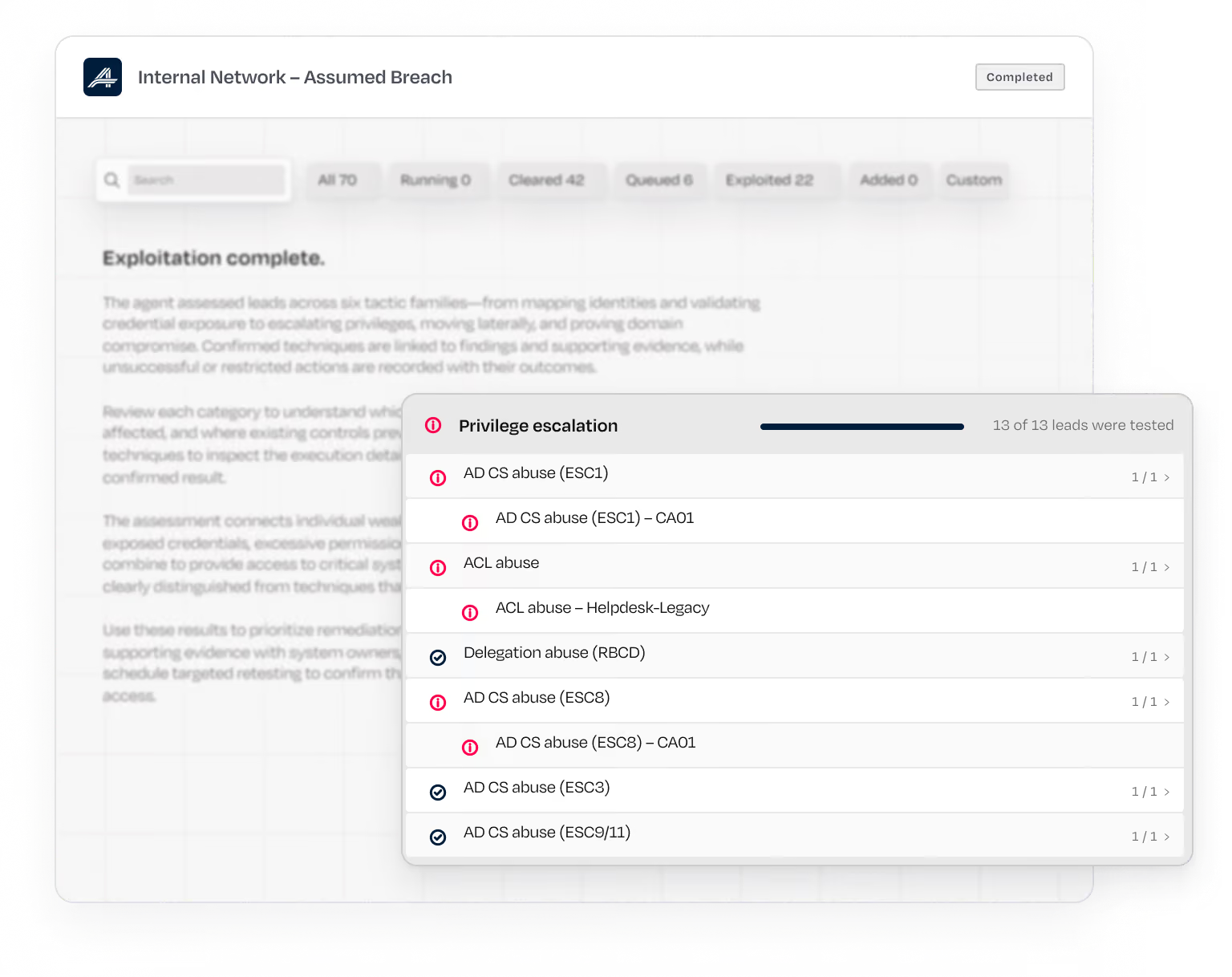
Retest
After the change, agents rerun the whole path, from the original foothold to the target system, to prove it’s closed.
Get a demo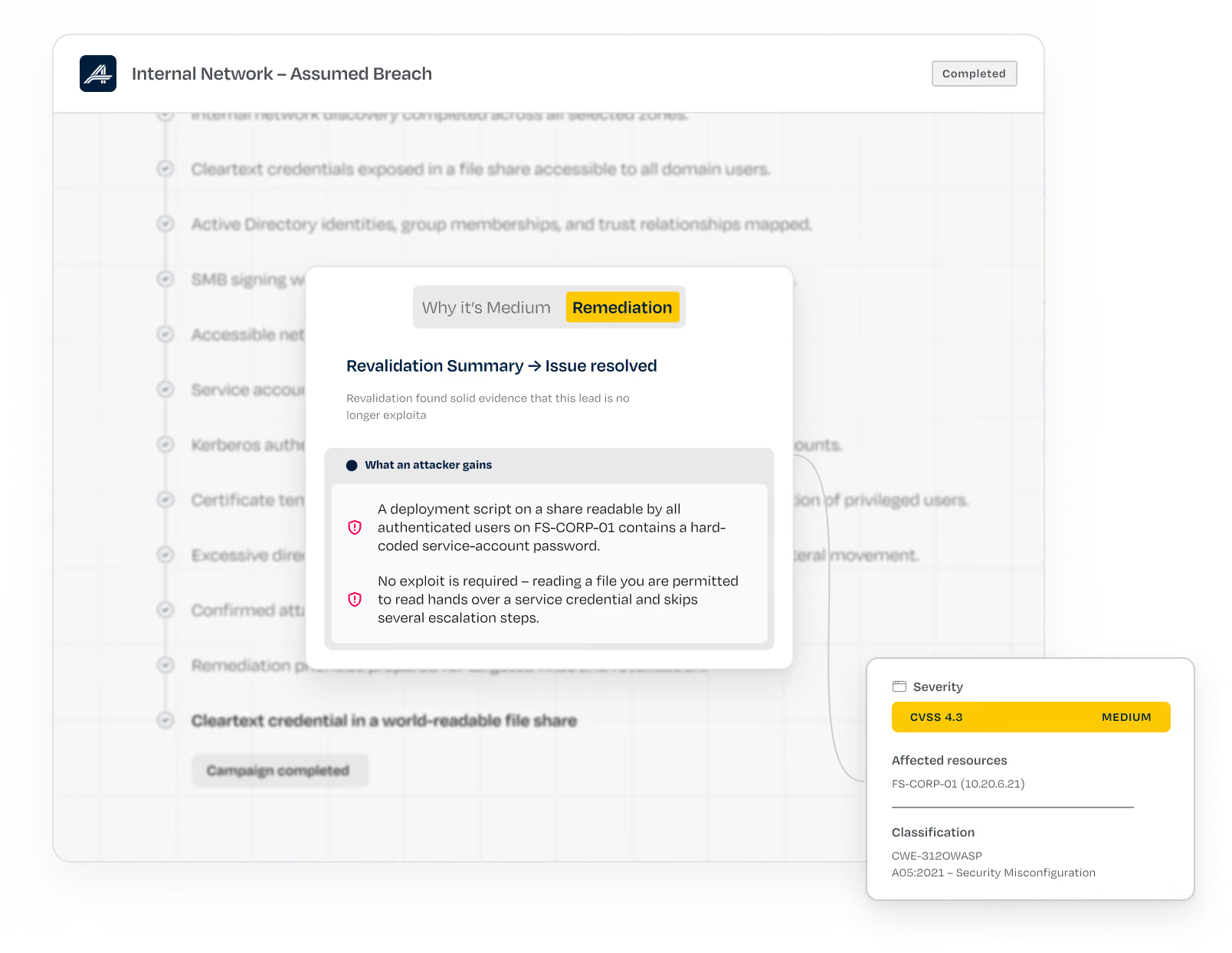
From an annual test to closed paths.
changes, from a real foothold
with evidence of what an attacker can reach
then the original attack path retested
Behind every attack
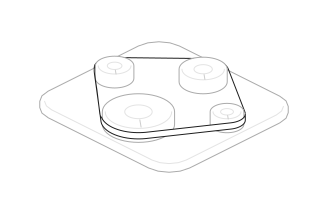
The Harness
100+ specialized agents, orchestrated through one engine that selects the right AI model and validates every result.
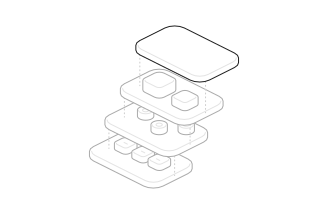
Knowledge Graph
Attack paths, business context, fixes, and retests build a persistent intelligence layer that integrates with your SIEM and SOAR.
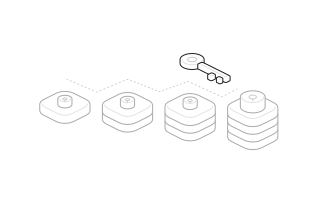
Active Directory
& Identity Paths
Discover and validate the identity and configuration weaknesses that connect a standard user to privileged access.
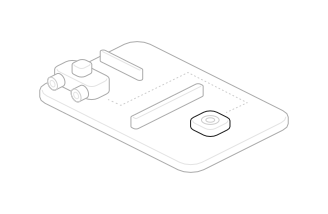
Objective-Based Testing
Name the systems that matter and get a proven answer to “can an attacker reach them, and how?”
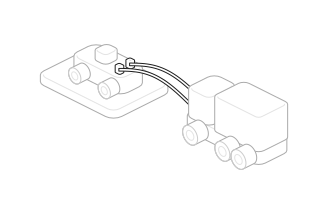
Connected Attack Paths
A foothold proven in a Web Apps or External Infrastructure test can become the starting point for an internal test.
Fixes become a part of work
Findings go to the tools your team already uses, with the fix attached. Nothing to install. Run it as SaaS or in your own cloud account on AWS, Azure or Google Cloud, on AI models you've approved.


Attacks production without breaking it

Safety dial
One dial sets how far the agents go: Passive, Cautious or Intrusive.

Every lead reviewed first
Each exploitation task is checked against your safety policy before it runs.

An independent judge
Every action that changes state is intercepted and judged on its raw mechanics. No agent approves its own actions.

Shared memory
Every object created during a test is tracked across agents.

A proxy the agents can't touch
Agent traffic runs through an independent network proxy.

Every intervention logged
Blocked actions can’t be retried with new wording, and every decision is logged for your auditors.
Questions, answered
Straight answers on how continuous
validation works in your environment.
Find the path inside. Then shut it.
Start from one foothold and see the paths to your most sensitive systems, proven, fixed and retested.